Introduction:
The Renaissance period marked a significant change in fashion, as people began to adopt new styles and materials for their clothing. During this period, clothing became a symbol of wealth, status, and identity, and people used it to express their social standing and display their power. In this essay, we will examine the materials used to make Renaissance dresses, exploring the different fabrics, dyes, and decorations that were used during this period.
Silk:
Silk was one of the most popular fabrics used to make Renaissance dresses. It was imported from China and was considered a luxury item due to its high cost. Silk was prized for its soft texture and lustrous sheen, which made it an ideal fabric for formal attire. Renaissance dresses made from silk often featured intricate embroidery, beading, and other embellishments, making them both beautiful and expensive.
Wool:
Wool was another popular fabric used to make Renaissance dresses. It was less expensive than silk and was readily available in Europe. Wool was often used to make everyday clothing for both men and women, but it was also used to make formal attire. Renaissance dresses made from wool were often decorated with embroidery or other embellishments to elevate their appearance.
Brocade:
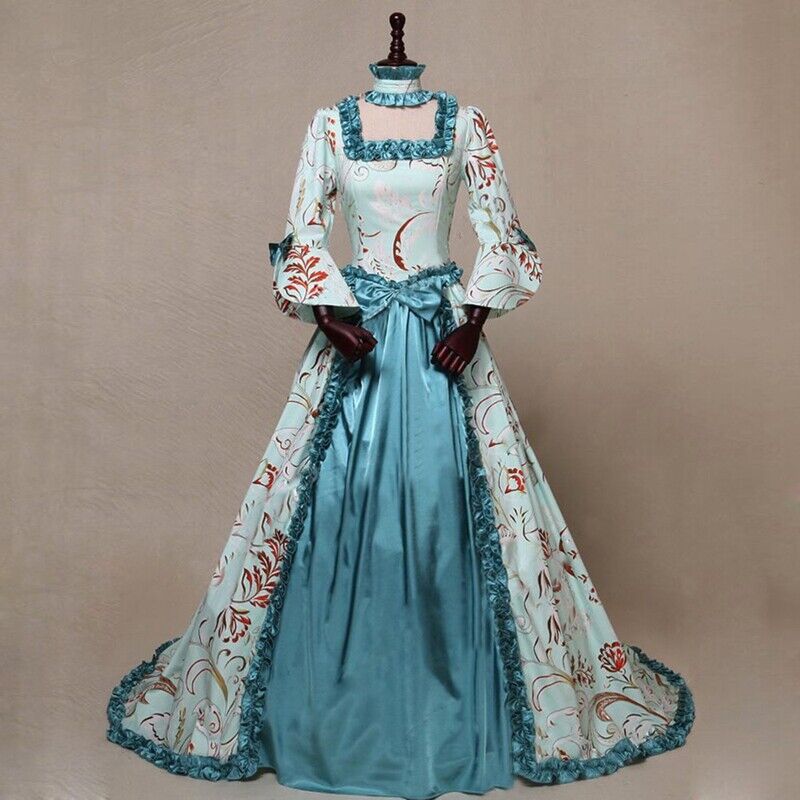
Brocade was a type of fabric that was commonly used to make Renaissance dresses. It was made from silk and featured raised patterns that were woven into the fabric. Brocade was often used to make formal attire, including wedding gowns and other ceremonial dresses. Renaissance dresses made from brocade were often decorated with metallic threads, beads, and other embellishments to highlight the raised patterns in the fabric.
Velvet:
Velvet was another popular fabric used to make Renaissance dresses. It was made from silk and featured a short, dense pile that gave it a luxurious texture. Velvet was often used to make formal attire, including gowns and robes. Renaissance dresses made from velvet were often decorated with gold or silver thread, beads, and other embellishments to highlight the texture of the fabric.
Decoration and Dye:
Renaissance dresses were often decorated with intricate embroidery, beading, and other embellishments. Embroidery was a common technique used to add decorative patterns and designs to clothing. It was often done by hand and required a high level of skill and patience. Beading was also a popular technique used to add sparkle and texture to Renaissance dresses. Beads were often made from glass or metal and were sewn onto the fabric by hand.
Dyeing was another important aspect of Renaissance dressmaking. Different dyes were used to create a range of colors, including red, blue, green, and yellow. Some dyes were expensive and hard to come by, while others were readily available. The color of a Renaissance dress often reflected the social status of the wearer, with brighter colors being reserved for the wealthy and powerful.
Conclusion:
The materials used to make Renaissance dresses were a reflection of the era’s social and economic values. Silk, wool, brocade, and velvet were the most popular fabrics used to make Renaissance dresses, with each fabric offering its own unique texture and appearance. Embroidery, beading, and other embellishments were used to add decorative patterns and designs to Renaissance dresses, while different dyes were used to create a range of colors. Renaissance dresses were a symbol of wealth, status, and identity, and the materials used to make them reflected the social and economic values of the era.