Hot tubs can be a relaxing escape for adults, but when it comes to babies and young children, safety concerns come to the forefront. Understanding the risks associated with hot tubs and their effects on a baby’s developing body is crucial for parents. In this article, we will delve into the safety considerations, expert opinions, and recommendations regarding babies and hot tubs.
Understanding the Risks of Hot Tubs for Babies
The Temperature Factor
Hot tubs typically operate at temperatures ranging from 100°F to 104°F (37.8°C to 40°C), which can be much too high for a baby’s sensitive skin and developing body. Babies have a higher surface area-to-volume ratio than adults, meaning they can quickly overheat. Overexposure to hot water can lead to hyperthermia, a dangerous condition where the body temperature rises to unsafe levels. This risk is exacerbated in young children who cannot regulate their body temperature as effectively as adults.
Risks of Dehydration
In addition to overheating, prolonged exposure to hot water can lead to dehydration. Babies can lose fluids quickly, especially when immersed in warm water. Dehydration can result in serious health issues, including reduced kidney function and, in extreme cases, seizures. Signs of dehydration can include dry mouth, decreased urine output, and irritability. Parents should be vigilant about keeping their babies hydrated and monitoring for any signs of distress.
Expert Recommendations on Hot Tub Use
Pediatrician Insights
Pediatricians generally advise against exposing infants and young children to hot tubs. The American Academy of Pediatrics (AAP) recommends that children under the age of 5 should avoid hot tubs entirely. Medical professionals stress that the risks of overheating and dehydration outweigh any perceived benefits of relaxation or enjoyment. Parents should always consult with their pediatrician before introducing their baby to any situation involving heat.
Guidelines for Safe Water Play
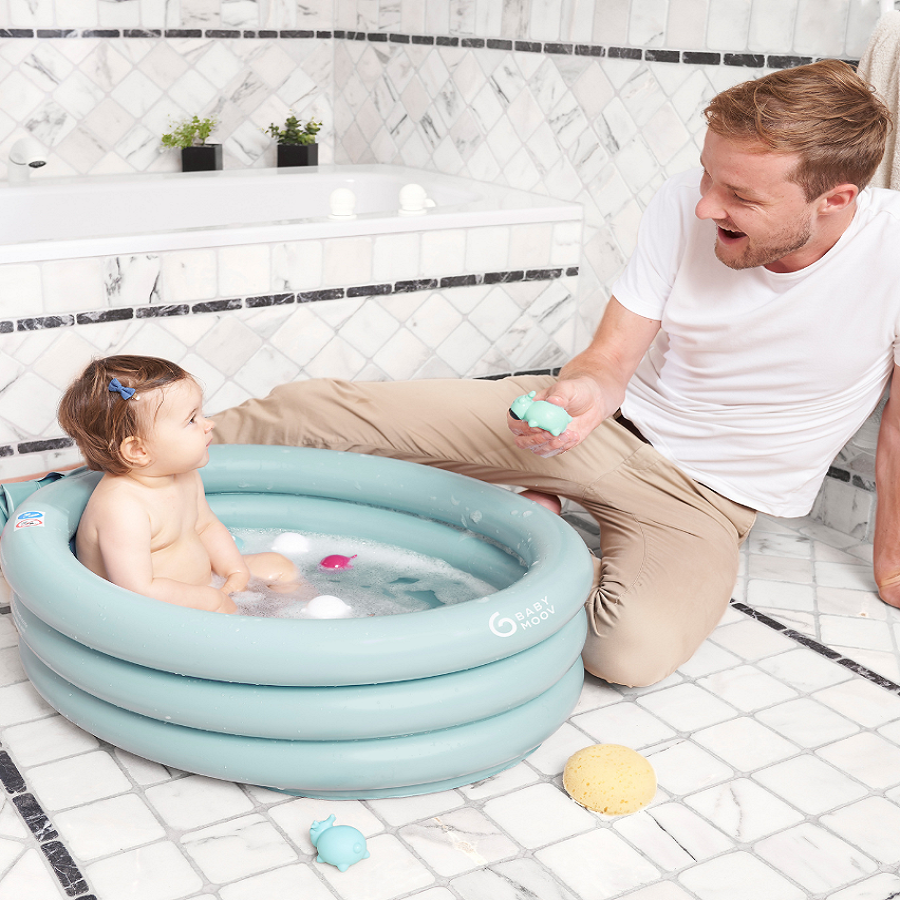
If parents are considering introducing their baby to water play, experts suggest opting for cooler water and ensuring that the baby is never left unattended. Water play can be a delightful experience, but it should be in a safe and controlled environment, such as a kiddie pool with regulated temperatures. Supervision is key; parents should always keep a close eye on their children during water activities.
Age-Appropriate Water Activities
Ideal Ages for Water Exposure
Experts recommend that babies can be introduced to water in a safe manner around the age of 6 months. At this age, babies can benefit from supervised play in warm, but not hot, water. Parents should ensure the water temperature is comfortable, ideally around 85°F to 90°F (29.4°C to 32.2°C). This temperature range allows for safe exploration without the risks associated with hot tubs.
Recommended Water Activities
Instead of hot tubs, parents can explore safer alternatives such as infant swimming classes or playdates at public pools designed for young children. These environments typically have water temperatures regulated for safety and are equipped with safety features such as shallow areas and lifeguards. Engaging in water play can promote sensory experiences and motor skill development while minimizing risk.
Health Conditions and Hot Tub Use
Medical Considerations for Vulnerable Babies
Babies with pre-existing health conditions, such as heart defects or respiratory issues, may be at an increased risk when exposed to high temperatures. Parents should consult healthcare professionals to understand any specific risks associated with their baby’s health. Conditions like eczema can also be aggravated by hot water, leading to discomfort and irritation.
Consulting Health Professionals
Before making decisions about hot tub exposure, parents should discuss their child’s individual health needs with a pediatrician. A medical professional can provide tailored advice based on the baby’s health history and developmental stage. This consultation is vital to ensure that parents have a clear understanding of what is safe for their child.
Supervision and Safety Measures
The Importance of Adult Supervision
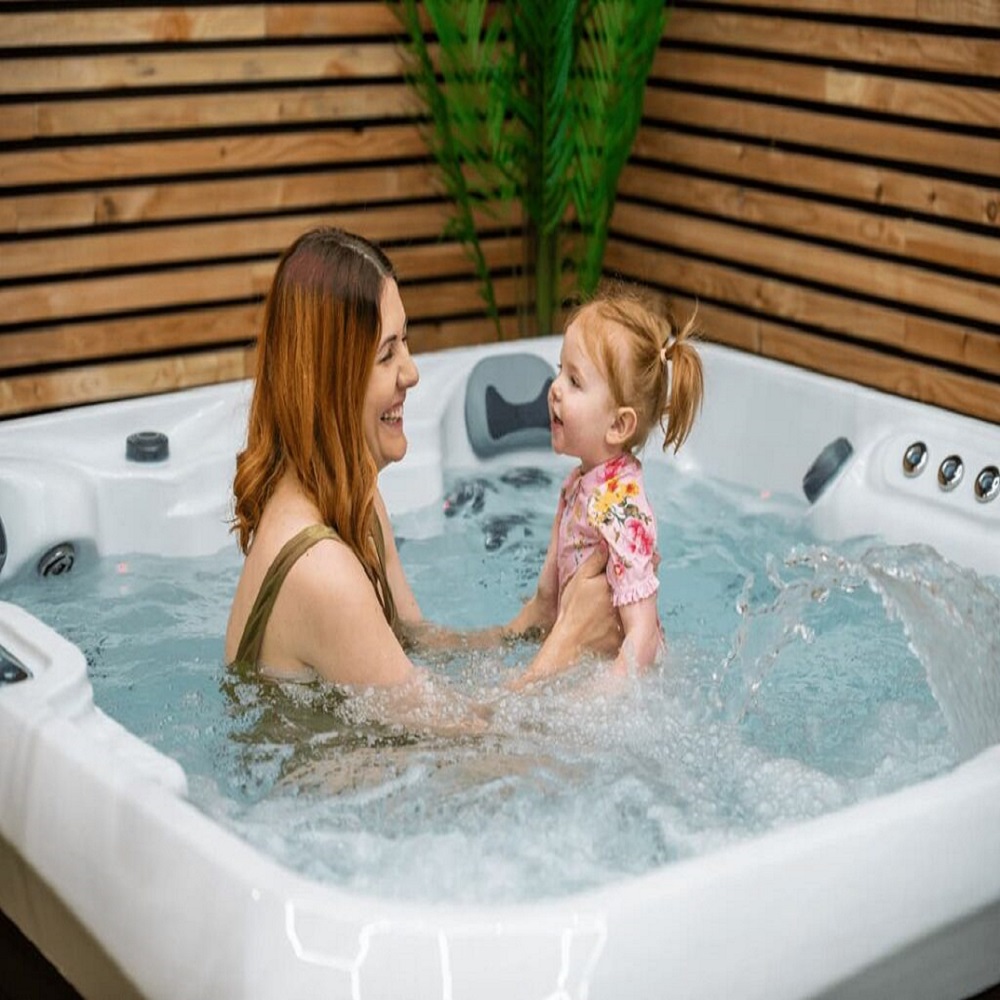
No matter the water setting, constant adult supervision is critical when babies are involved. The Centers for Disease Control and Prevention (CDC) emphasizes that drowning can occur in mere seconds, and babies can easily slip or become overwhelmed. Parents and caregivers should maintain a close watch on infants at all times during water play.
Safety Equipment and Precautions
In addition to supervision, implementing safety measures such as life vests or swim floats designed for infants can provide an extra layer of security. Parents should also familiarize themselves with CPR and first aid techniques, as being prepared can be lifesaving in emergencies. Safety measures should be taken seriously, as they play a crucial role in ensuring a positive water experience.
Creating a Safe Water Environment
Preparing the Hot Tub Area
For families that still wish to enjoy hot tubbing, creating a safe environment is essential. If a hot tub is to be used, it should be well-maintained and clean. Any covers or locking mechanisms should be secured when the hot tub is not in use to prevent accidental access. Parents should also ensure that the hot tub area is free from slippery surfaces that could lead to falls.
Setting Time Limits
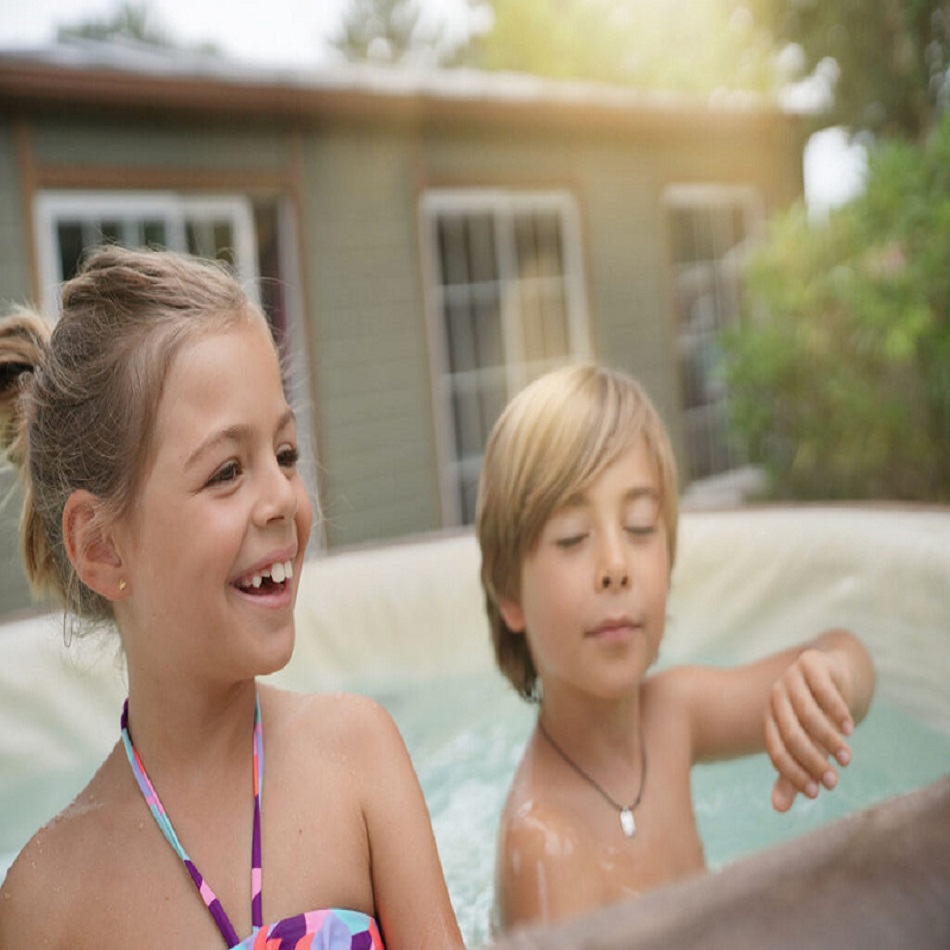
If a hot tub is deemed acceptable for older children, establishing strict time limits on their exposure is crucial. Experts recommend limiting sessions to no more than 10-15 minutes, especially for younger children. Regular breaks should be taken to allow the child to cool down and hydrate. Monitoring the child’s comfort level throughout the session can help prevent overheating and other complications.
Understanding Signs of Distress
Recognizing Overheating Symptoms
Parents should be familiar with the signs of overheating to act quickly if necessary. Symptoms can include excessive sweating, lethargy, flushed skin, and irritability. If any of these signs appear, it is crucial to remove the child from the hot water immediately and allow them to cool down. Providing water and cool cloths can help mitigate overheating.
Responding to Health Emergencies
In case of an emergency, such as fainting or seizure, parents should know how to respond effectively. Removing the child from the hot tub and seeking immediate medical assistance is vital. Being prepared for emergencies can make a significant difference in ensuring the child’s safety and well-being.
Alternatives to Hot Tub Fun
Exploring Safer Water Activities
Instead of using hot tubs, families can explore various water activities that are safe and enjoyable for babies. Activities such as splash pads, shallow pools, and bathtub play can offer delightful experiences without the risks associated with hot tubs. These alternatives allow for safe exploration of water while still providing sensory enjoyment.
Benefits of Water Play for Development
Engaging in safe water play can provide numerous benefits for infants, including enhanced motor skills, social interaction, and sensory stimulation. Babies can learn to splash, float, and interact with water in a controlled environment, promoting confidence and comfort around water. Parents can incorporate toys and games to make the experience more enjoyable and educational.
Emergency Preparedness for Parents
Being Ready for Any Situation
Preparedness is crucial for parents enjoying water activities. Taking a CPR course can equip caregivers with lifesaving skills, giving them confidence in handling emergencies. Having a first aid kit nearby and knowing the nearest medical facility can also enhance safety. Being proactive in emergency preparedness ensures that parents can enjoy water play with peace of mind.
Conclusion: Prioritizing Baby Safety
When it comes to hot tubs and babies, safety should always be the top priority. Understanding the risks, following expert recommendations, and considering age-appropriate alternatives can help parents make informed decisions. While hot tubs can be a relaxing retreat for adults, they are not safe environments for infants. By prioritizing baby safety and opting for safer water activities, parents can ensure a positive and enjoyable experience for their little ones.